NederlandsDutch
Het wemelt van de jeugdige helden in de Nederlandse literatuur. Een recent overzicht onder redactie van Ronald Giphart laat zien dat je moeiteloos honderd boeiende coming-of-age verhalen, ruim geïnterpreteerd, uit de laatste eeuw bij elkaar kunt sprokkelen. Gipharts bloemlezing loopt, in omgekeerd chronologische volgorde, van Lodewijk van Deyssels De kleine republiek (1888) tot De belofte van Pisa van Mano Bouzamour (2013). Het is een prachtig overzicht maar als lezerservaring blijft het bij brokstukken van gemiddeld 9 á 10 pagina's, net genoeg om belangstelling voor het gehele boek op te wekken.
There are numerous youthful heroes in Dutch fiction. A recent survey compiled by Ronald Giphart contains 100 coming-of-age stories that have appealed to readers during the past century or so. Giphart's anthology runs from De kleine republiek ('The Little Republic') by Lodewijk van Deyssel (1888) to De belofte van Pisa ('The Promise of Pisa') by Mano Bouzamour (2013), ranked in inverted chronological order. The anthology provides a superb overview but readers are stuck with the frustration of having to content themselves with brief fragments averaging nine or ten pages each, just enough to arouse curiosity for the entire novel.
 Ronald Giphart, De Nederlandse coming of age literatuur in 100 verhalen
(2014) biedt een handige kennismaking met dit genre in Nederland zoals het zich heeft ontwikkeld sinds de late negentiende eeuw.
('Dutch Coming-Of-Age Literature in 100 Stories' - 2014) offers a convenient introduction to the Dutch-language branch of this genre as it has evolved during the past century.
Ronald Giphart, De Nederlandse coming of age literatuur in 100 verhalen
(2014) biedt een handige kennismaking met dit genre in Nederland zoals het zich heeft ontwikkeld sinds de late negentiende eeuw.
('Dutch Coming-Of-Age Literature in 100 Stories' - 2014) offers a convenient introduction to the Dutch-language branch of this genre as it has evolved during the past century.
Onlangs zijn meerdere romans verschenen die diep op kwesties van seksualiteit en liefde tijdens de coming-of-age ingaan. De beschreven ervaringen dateren uit zowel de huidige als oudere generaties. Voor het lezersgemak zijn deze voorlopig hieronder als eerste geplaatst.
Recent Dutch literature has seen the appearance of several novels that delve into issues of sexuality and love during coming of age. Experiences are relayed by members of both the present and older generations. For convenience of the reader, these have been placed up front below for the time being.
In Schipbreuk van Marco Kamphues en Franse Les van Ewoud Sanders betreft het relaties tussen man en vrouw, terwijl ontluikende homoseksualiteit voorop staat in Splinter Chabots Confettiregen en Paul Haenens Ik heb bekend. In de film Girl, eveneens op het Nederlandse taalgebied, komt op baanbrekende wijze de transgenderproblematiek aan de orde. Volledigheidshalve wordt hier tevens melding gemaakt van de oorspronkelijk in het Frans geschreven roman De uitzichtlozen van
Both 'Shipwreck' by Marco Kamphues and 'French Lesson' by Ewoud Sanders are concerned with relationships between man and woman, whereas budding homosexuality appears at centre stage in 'Rain of Confetti' by Splinter Chabot as well as in Paul Haenen's published diaries. The film 'Girl' too falls within the Dutch field of language; it offers a pioneering contribution addressing the theme of transgender. For the sake of completeness, the selection of new finds also includes the originally French novel And Their Children After Them by
Nicolas Mathieu.
 Marco Kamphues, Schipbreuk
(2018). Een achttienjarige jongen gaat studeren en wordt ondergedompeld in het studentenleven in Nijmegen. Hij worstelt met de voor zijn leeftijd gebruikelijke onzekerheden ten aanzien van contacten met het tegenovergestelde geslacht maar doet uiteindelijk zijn eerste seksuele ervaring op. Hij twijfelt over zijn linkse idealen en maakt het nodige drama mee in zijn naaste omgeving. Een mooi tijdsbeeld van Nederland in de jaren tachtig van de vorige eeuw.
('Shipwreck', 2018). A Dutch boy of eighteen commences his studies at the University of Nijmegen and is immersed into student life. He is a victim to the usual uncertainties of his age with respect to contacts with the opposite sex, but eventually he has his first sexual experience. He is in doubt about leftist ideals and witnesses a great deal of drama in his immediate surroundings. The spirit of the times in the Netherlands of the 1980s is beautifully portrayed.
Marco Kamphues, Schipbreuk
(2018). Een achttienjarige jongen gaat studeren en wordt ondergedompeld in het studentenleven in Nijmegen. Hij worstelt met de voor zijn leeftijd gebruikelijke onzekerheden ten aanzien van contacten met het tegenovergestelde geslacht maar doet uiteindelijk zijn eerste seksuele ervaring op. Hij twijfelt over zijn linkse idealen en maakt het nodige drama mee in zijn naaste omgeving. Een mooi tijdsbeeld van Nederland in de jaren tachtig van de vorige eeuw.
('Shipwreck', 2018). A Dutch boy of eighteen commences his studies at the University of Nijmegen and is immersed into student life. He is a victim to the usual uncertainties of his age with respect to contacts with the opposite sex, but eventually he has his first sexual experience. He is in doubt about leftist ideals and witnesses a great deal of drama in his immediate surroundings. The spirit of the times in the Netherlands of the 1980s is beautifully portrayed.
 Ewoud Sanders, Franse Les
(2019). Dit is het eerlijke verslag van een liefdesrelatie tussen de vijftienjarige scholier Thijs en zijn lerares Frans op een middelbare school op antroposofische grondslag. Hun relatie heeft alle trekken van een volwassen verbintenis, maar de jonge Thijs is nog volop bezig met zijn volwassenwording. Een dunne interessante roman die duidelijk laat zien hoe in Nederland in de jaren zeventig vaak over dergelijke relaties gedacht werd.
('French Lesson', 2019). This is the candid story about a love relationship between a fifteen-year old boy, Thijs, and his French teacher at a secondary school based on the principles of anthroposophy. Their relationship has all features of an adult commitment, yet young Thijs is still in the midst of his coming of age. A short interesting novel that clearly shows how such relations were often conceived in the Netherlands of the 1970s.
Ewoud Sanders, Franse Les
(2019). Dit is het eerlijke verslag van een liefdesrelatie tussen de vijftienjarige scholier Thijs en zijn lerares Frans op een middelbare school op antroposofische grondslag. Hun relatie heeft alle trekken van een volwassen verbintenis, maar de jonge Thijs is nog volop bezig met zijn volwassenwording. Een dunne interessante roman die duidelijk laat zien hoe in Nederland in de jaren zeventig vaak over dergelijke relaties gedacht werd.
('French Lesson', 2019). This is the candid story about a love relationship between a fifteen-year old boy, Thijs, and his French teacher at a secondary school based on the principles of anthroposophy. Their relationship has all features of an adult commitment, yet young Thijs is still in the midst of his coming of age. A short interesting novel that clearly shows how such relations were often conceived in the Netherlands of the 1970s.
 Splinter Chabot, Confettiregen
(2019). In deze autobiografische roman is de hoofdpersoon een getalenteerde middelbare scholier uit intellectuele kringen in Den Haag die op zijn achttiende in Amsterdam gaat studeren. Dat biedt hem een uitstekende kans om zijn homoseksuele verlangens in de praktijk om te zetten. Een ontroerend en zeer persoonlijk verslag over hoe het is om uit de kast te komen als homo in het hedendaagse Nederland. De schrijver was een tijdje voorzitter van de JOVD en heeft nu een eigen talkshow op de Nederlandse televisie.
('Rain of Confetti', 2019). The protagonist in this autobiographical novel is a talented secondary school student from an intellectual family in The Hague who begins his university studies in Amsterdam, aged eighteen. This gives him an excellent opportunity to put his homosexual cravings in practice. A touching and highly personal account of coming out of the closet as gay in the Netherlands today. The author served some time as chairman of the youth organization of the ruling conservative party and now hosts his own talk show on Dutch television.
Splinter Chabot, Confettiregen
(2019). In deze autobiografische roman is de hoofdpersoon een getalenteerde middelbare scholier uit intellectuele kringen in Den Haag die op zijn achttiende in Amsterdam gaat studeren. Dat biedt hem een uitstekende kans om zijn homoseksuele verlangens in de praktijk om te zetten. Een ontroerend en zeer persoonlijk verslag over hoe het is om uit de kast te komen als homo in het hedendaagse Nederland. De schrijver was een tijdje voorzitter van de JOVD en heeft nu een eigen talkshow op de Nederlandse televisie.
('Rain of Confetti', 2019). The protagonist in this autobiographical novel is a talented secondary school student from an intellectual family in The Hague who begins his university studies in Amsterdam, aged eighteen. This gives him an excellent opportunity to put his homosexual cravings in practice. A touching and highly personal account of coming out of the closet as gay in the Netherlands today. The author served some time as chairman of the youth organization of the ruling conservative party and now hosts his own talk show on Dutch television.
 Paul Haenen, Ik heb bekend. Dagboeken 1958-1965
(2019). Gesteund door een reeks dagboeknotities vertelt de cabaretier Paul Haenen openhartig over zijn worsteling als tiener met zijn homoseksuele gevoelens. Het verhaal speelt zich in Amsterdam af en de auteur geeft in het voorbijgaan een aardig beeld van de Nederlandse samenleving in de vroege jaren zestig. Het vrij korte verhaal onderstreept hoe cruciaal de puberjaren zijn voor het latere leven.
('I Have Confessed. Diaries 1958-1962', 2019). Relying on a series of diary notes, the cabaret performer Paul Haenen offers a candid account of how he in his teens struggled with his homosexuality. The story takes place in Amsterdam. In passing the author paints a vivid picture of Dutch society in the early 1960s. The rather short story underscores how decisive the years of adolescence are for later life.
Paul Haenen, Ik heb bekend. Dagboeken 1958-1965
(2019). Gesteund door een reeks dagboeknotities vertelt de cabaretier Paul Haenen openhartig over zijn worsteling als tiener met zijn homoseksuele gevoelens. Het verhaal speelt zich in Amsterdam af en de auteur geeft in het voorbijgaan een aardig beeld van de Nederlandse samenleving in de vroege jaren zestig. Het vrij korte verhaal onderstreept hoe cruciaal de puberjaren zijn voor het latere leven.
('I Have Confessed. Diaries 1958-1962', 2019). Relying on a series of diary notes, the cabaret performer Paul Haenen offers a candid account of how he in his teens struggled with his homosexuality. The story takes place in Amsterdam. In passing the author paints a vivid picture of Dutch society in the early 1960s. The rather short story underscores how decisive the years of adolescence are for later life.
 Lucas Dhont, Girl (2018).
Met deze opmerkelijke debuutfilm belicht de Belgische regisseur Lucas Dhont het trauma van de transgender. De hoofdpersoon Lara is vijftien à zestien jaar oud en heeft het lichaam van een jongen maar voelt zich een meisje. Lara wil balletdanser worden en ondergaat tegelijkertijd een behandeling ter voorbereiding op een geslachtsverandering. Deze twee ambities laten zich niet combineren. Een persoonlijk drama tijdens de coming-of-age fase die een blijvende indruk op de kijker achterlaat.
This is a remarkable debut of the Belgian film director Lucas Dhont concerned with the trauma of the transgender. Protagonist Laura is fifteen or sixteen years old and has the body of a boy but feels like a girl. Laura wants to become a ballet dancer and is at the same undergoing treatment in preparation of sex change operation. These two ambitions are not compatible with one another. A personal drama during the phase of coming of age that leaves a lasting impression with the viewer.
Lucas Dhont, Girl (2018).
Met deze opmerkelijke debuutfilm belicht de Belgische regisseur Lucas Dhont het trauma van de transgender. De hoofdpersoon Lara is vijftien à zestien jaar oud en heeft het lichaam van een jongen maar voelt zich een meisje. Lara wil balletdanser worden en ondergaat tegelijkertijd een behandeling ter voorbereiding op een geslachtsverandering. Deze twee ambities laten zich niet combineren. Een persoonlijk drama tijdens de coming-of-age fase die een blijvende indruk op de kijker achterlaat.
This is a remarkable debut of the Belgian film director Lucas Dhont concerned with the trauma of the transgender. Protagonist Laura is fifteen or sixteen years old and has the body of a boy but feels like a girl. Laura wants to become a ballet dancer and is at the same undergoing treatment in preparation of sex change operation. These two ambitions are not compatible with one another. A personal drama during the phase of coming of age that leaves a lasting impression with the viewer.
 Nicolas Mathieu, Leurs enfants aprés eux (2018),
vertaald als De uitzichtlozen in 2019. Deze prijsbekroonde roman volgt de jonge jaren van een jongen die Anthony heet en in een armoedig mijndistrict in het noordoosten van Frankrijk opgroeit. Dit wordt gedaan door middel van vier momentopnames op de leeftijd van respectievelijk veertien, zestien, achttien en twintig jaar. Er is sprake van zowel aanhoudende verliefdheid en seksuele ervaringen met andere meisjes als enig drugsgebruik. Een ongewoon systematisch en inzichtelijk verslag van een lange coming-of-age fase.
translated as And Their Children After Them in 2020. This award-winning novel surveys the young years of a boy called Anthony who grows up in a poverty-stricken mining district in the northeast of France. This is done by way of a plot containing four impressions at four points in time, at the ages of respectively fourteen, sixteen, eighteen and twenty years. There is talk of a persistent infatuation as well as sexual experiences with other girls, and also some use of drugs. An exceptionally systematic and informative account of a long coming of age phase
Nicolas Mathieu, Leurs enfants aprés eux (2018),
vertaald als De uitzichtlozen in 2019. Deze prijsbekroonde roman volgt de jonge jaren van een jongen die Anthony heet en in een armoedig mijndistrict in het noordoosten van Frankrijk opgroeit. Dit wordt gedaan door middel van vier momentopnames op de leeftijd van respectievelijk veertien, zestien, achttien en twintig jaar. Er is sprake van zowel aanhoudende verliefdheid en seksuele ervaringen met andere meisjes als enig drugsgebruik. Een ongewoon systematisch en inzichtelijk verslag van een lange coming-of-age fase.
translated as And Their Children After Them in 2020. This award-winning novel surveys the young years of a boy called Anthony who grows up in a poverty-stricken mining district in the northeast of France. This is done by way of a plot containing four impressions at four points in time, at the ages of respectively fourteen, sixteen, eighteen and twenty years. There is talk of a persistent infatuation as well as sexual experiences with other girls, and also some use of drugs. An exceptionally systematic and informative account of a long coming of age phase
Vele Nederlandse romans bevatten coming-of-age elementen, ook al gaat de belangstelling niet altijd in eerste instantie uit naar het proces van volwassenwording.
Bij de oudere literatuur denk ik daarbij aan bijvoorbeeld Gerard Reve's De avonden (1946), hét verhaal van naoorlogs Nederland gezien door de ogen van een jongeman. Soms staat de al dan niet ontluisterende beschrijving van het studentenleven in Nederland centraal, zoals in Onno te Rijdts Mores (2001), over Leiden, of Philip Huffs Niemand in de stad (2012) over Amsterdam. In beide gevallen is het coming-of-age gebeuren ondergeschikt aan de zedenschets.
In toenemende mate draait het plot in romans om trauma's die jonge mensen meemaken. Vaak ligt daarbij echter het accent op het trauma als zodanig en niet zozeer op de gevolgen van een dergelijke belevenis voor de volwassenwording. Recente voorbeelden zijn Jaap Robbens Birk (2014) en Peter Zantinghs Een uur en achttien minuten (2014).
Hieronder een eerdere selectie van hedendaagse Nederlandse coming-of-age literatuur. De continuïteit met bestaande tradities in de Nederlandse literatuur wordt hier getoond aan de hand van een roman uit de jaren zeventig geschreven door Hilbert Kuik en het veel recenter werk van Niels Gerson Lohman. Several well-known Dutch novels contain coming-of-age elements even if the process of growing up does not always form the main theme.
Among the older novels, De avonden ('The evenings') by Gerard Reve (1946) easily comes to one's mind. It is the classical story of immediate post-war Dutch society as observed by a young man. Sometimes, revelations about Dutch student life attract the main attention, for instance in Mores by Onno te Rijdt (2001) about Leiden and Niemand in de stad ('Nobody in the city') by Philip Huff (2012) about Amsterdam. The coming-of-age theme is in both novels secondary to the description of student life. There is an increasing tendency to write about young people in connection with traumatic experience.
Yet, the main emphasis tends to be put on the trauma itself rather than on its impact on the process of coming-of-age. Recent examples include Birk by Jaap Robben (2014) and Een uur en achttien minuten ('One Hour and Eighteen Minutes') by Peter Zantingh (2014).
Below a previous tentative selection of contemporary Dutch coming-of-age books. Continuity with older traditions is illustrated by a novel by Hilbert Kuik published in the 1970s and the far more recent work by Niels Gerson Lohman.
Bij de oudere literatuur denk ik daarbij aan bijvoorbeeld Gerard Reve's De avonden (1946), hét verhaal van naoorlogs Nederland gezien door de ogen van een jongeman. Soms staat de al dan niet ontluisterende beschrijving van het studentenleven in Nederland centraal, zoals in Onno te Rijdts Mores (2001), over Leiden, of Philip Huffs Niemand in de stad (2012) over Amsterdam. In beide gevallen is het coming-of-age gebeuren ondergeschikt aan de zedenschets.
In toenemende mate draait het plot in romans om trauma's die jonge mensen meemaken. Vaak ligt daarbij echter het accent op het trauma als zodanig en niet zozeer op de gevolgen van een dergelijke belevenis voor de volwassenwording. Recente voorbeelden zijn Jaap Robbens Birk (2014) en Peter Zantinghs Een uur en achttien minuten (2014).
Hieronder een eerdere selectie van hedendaagse Nederlandse coming-of-age literatuur. De continuïteit met bestaande tradities in de Nederlandse literatuur wordt hier getoond aan de hand van een roman uit de jaren zeventig geschreven door Hilbert Kuik en het veel recenter werk van Niels Gerson Lohman. Several well-known Dutch novels contain coming-of-age elements even if the process of growing up does not always form the main theme.
Among the older novels, De avonden ('The evenings') by Gerard Reve (1946) easily comes to one's mind. It is the classical story of immediate post-war Dutch society as observed by a young man. Sometimes, revelations about Dutch student life attract the main attention, for instance in Mores by Onno te Rijdt (2001) about Leiden and Niemand in de stad ('Nobody in the city') by Philip Huff (2012) about Amsterdam. The coming-of-age theme is in both novels secondary to the description of student life. There is an increasing tendency to write about young people in connection with traumatic experience.
Yet, the main emphasis tends to be put on the trauma itself rather than on its impact on the process of coming-of-age. Recent examples include Birk by Jaap Robben (2014) and Een uur en achttien minuten ('One Hour and Eighteen Minutes') by Peter Zantingh (2014).
Below a previous tentative selection of contemporary Dutch coming-of-age books. Continuity with older traditions is illustrated by a novel by Hilbert Kuik published in the 1970s and the far more recent work by Niels Gerson Lohman.
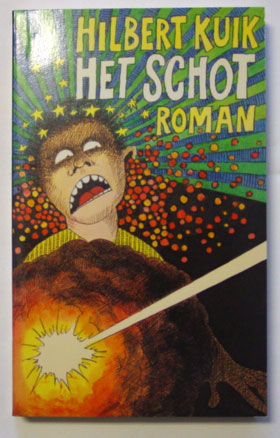 Hilbert Kuik, Het schot
(1976). De dertienjarige Hans Verweg woont in Amsterdam-Zuid en maakt de nasleep van de Duitse bezetting mee. De roman heeft ten dele het karakter van een thriller waarbij ook contacten met Duitsers in het verleden een rol spelen. De hoofdpersoon wil aan zijn kleinburgerlijke milieu ontsnappen. Zijn seksualiteit ontwaakt. Er is veel zelfreflectie en een explosie van gevoelens.
('The Shot' - 1976). Thirteen-year old Hans Verweg lives in the well-to-do neighbourhood of South Amsterdam and experiences the aftermath of the German occupation. The novel is partly set up as a thriller in which previous contacts with Germans during the war play a role. The protagonist wants to escape from his narrow-minded middle class environment. His sexuality awakens. There is a great deal of reflection about himself and an explosion of emotions.
Hilbert Kuik, Het schot
(1976). De dertienjarige Hans Verweg woont in Amsterdam-Zuid en maakt de nasleep van de Duitse bezetting mee. De roman heeft ten dele het karakter van een thriller waarbij ook contacten met Duitsers in het verleden een rol spelen. De hoofdpersoon wil aan zijn kleinburgerlijke milieu ontsnappen. Zijn seksualiteit ontwaakt. Er is veel zelfreflectie en een explosie van gevoelens.
('The Shot' - 1976). Thirteen-year old Hans Verweg lives in the well-to-do neighbourhood of South Amsterdam and experiences the aftermath of the German occupation. The novel is partly set up as a thriller in which previous contacts with Germans during the war play a role. The protagonist wants to escape from his narrow-minded middle class environment. His sexuality awakens. There is a great deal of reflection about himself and an explosion of emotions.
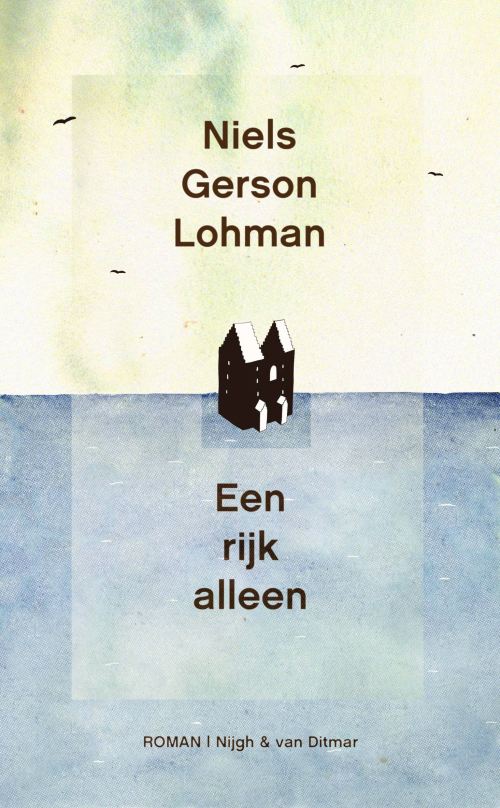 Niels Gerson Lohman, Een rijk alleen
(2012). Mos Lupin is een jongen op de drempel van volwassendom die dramatische veranderingen meemaakt, van weelde in Amsterdam, naar een burgerlijk bestaan in Bussum en zelfs armoede. Het gezin valt uit elkaar en Mos gaat op zoek naar zijn identiteit. Uiteindelijk komt hij op de Filippijnen terecht.
('A realm for yourself' - 2012). Mos Lupin is a boy on the verge of adulthood who experiences dramatic change, from great wealth in Amsterdam to middle-class life in Bussum. His family falls apart and Mos starts searching for his own identity. Eventually, he turns up in the Philippines.
Niels Gerson Lohman, Een rijk alleen
(2012). Mos Lupin is een jongen op de drempel van volwassendom die dramatische veranderingen meemaakt, van weelde in Amsterdam, naar een burgerlijk bestaan in Bussum en zelfs armoede. Het gezin valt uit elkaar en Mos gaat op zoek naar zijn identiteit. Uiteindelijk komt hij op de Filippijnen terecht.
('A realm for yourself' - 2012). Mos Lupin is a boy on the verge of adulthood who experiences dramatic change, from great wealth in Amsterdam to middle-class life in Bussum. His family falls apart and Mos starts searching for his own identity. Eventually, he turns up in the Philippines.
 Ted van Lieshout, Gebr. (1996).
De zestienjarige Luuk gaat op zoek naar de persoonlijkheid van zijn zojuist overleden broer Maus. Dit brengt hem in conflict met hun moeder maar geeft hem ook inzicht in hoe hij zelf in elkaar steekt. Homoseksualiteit is een cruciaal thema in deze fijngevoelige roman.
Sixteen-year old Luuk tries to find out more about the personality of his deceased brother Maus. (The book's title is the abbreviation for 'Brothers' in Dutch). His explorations causes conflict with their mother but offer important insights into his own personality. Homosexuality is a key theme in this touching story.
Ted van Lieshout, Gebr. (1996).
De zestienjarige Luuk gaat op zoek naar de persoonlijkheid van zijn zojuist overleden broer Maus. Dit brengt hem in conflict met hun moeder maar geeft hem ook inzicht in hoe hij zelf in elkaar steekt. Homoseksualiteit is een cruciaal thema in deze fijngevoelige roman.
Sixteen-year old Luuk tries to find out more about the personality of his deceased brother Maus. (The book's title is the abbreviation for 'Brothers' in Dutch). His explorations causes conflict with their mother but offer important insights into his own personality. Homosexuality is a key theme in this touching story.
Maar dit is een terrein volop in beweging in de Nederlandse literatuur. Een van de voornaamste vernieuwingen in de voorbije decennia is een bewuste integratie van het coming-of-age verhaal met de thematiek van homoseksualiteit. Deze selectie omvat vier voorbeelden hiervan: een jeugdroman van Ted van Lieshout, een oorspronkelijk in het Duits verschenen roman van Andreas Steinhöfel, de trilogie van historische romans van Floortje Zwigtman en een recent jongensboek van
But this is an area very much in motion with interesting new trends. One of them is a more explicit integration of the coming-of-age story with gay themes. This selection includes four book: an adolescence novel by Ten van Lieshout, a novel by Andreas Steinhöfel that originally appeared in German, a trilogy of historical novels written by Floortje Zwigtman and a recent book for a young audience by
Edward van de Vendel.
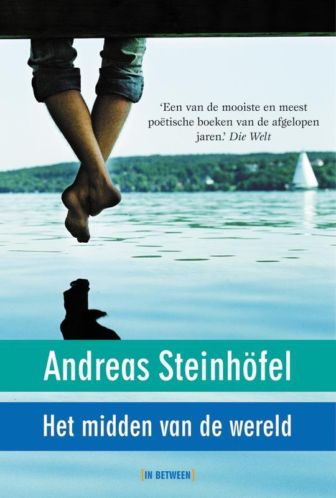
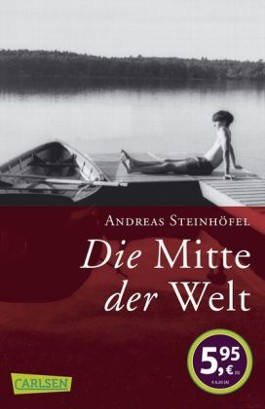 Andreas Steinhöfel,
Die Mitte der Welt (1998), vertaald als Het midden van de wereld (2005), verfilming in voorbereiding. Phil is zeventien jaar en behoort tot een excentriek gezin aan de rand van een kleine stad in Duitsland. Zijn leven wordt chaotisch als hij meer wil weten over zijn vader, die hij nooit heeft gekend, en tevens op zoek gaat naar vriendschap en liefde. Er volgen tal van verwikkelingen met zijn beste vriendin Kat en een nieuwe, raadselachtige jongen, Nicholas, waar Phil op verliefd wordt. Het boek werd genomineerd voor de Deutschen Jugendliteraturpreis.
Die Mitte der Welt ('Centre of the World' - 1998), translated into Dutch as Het midden van de wereld (2005), a movie is in preparation. Phil is seventeen and belongs to an eccentric family at the outskirts of a small town in Germany. Life becomes chaotic for him when he wants to find out more about his father whom he has never known. At the same time, he searches for love and friendship. There are numerous complications with his best female friend called Kat as well as with a new, enigmatic boy called Nicholas. Phil falls in love with Nicholas. This book was nominated for an Award for German literature for young adults.
Andreas Steinhöfel,
Die Mitte der Welt (1998), vertaald als Het midden van de wereld (2005), verfilming in voorbereiding. Phil is zeventien jaar en behoort tot een excentriek gezin aan de rand van een kleine stad in Duitsland. Zijn leven wordt chaotisch als hij meer wil weten over zijn vader, die hij nooit heeft gekend, en tevens op zoek gaat naar vriendschap en liefde. Er volgen tal van verwikkelingen met zijn beste vriendin Kat en een nieuwe, raadselachtige jongen, Nicholas, waar Phil op verliefd wordt. Het boek werd genomineerd voor de Deutschen Jugendliteraturpreis.
Die Mitte der Welt ('Centre of the World' - 1998), translated into Dutch as Het midden van de wereld (2005), a movie is in preparation. Phil is seventeen and belongs to an eccentric family at the outskirts of a small town in Germany. Life becomes chaotic for him when he wants to find out more about his father whom he has never known. At the same time, he searches for love and friendship. There are numerous complications with his best female friend called Kat as well as with a new, enigmatic boy called Nicholas. Phil falls in love with Nicholas. This book was nominated for an Award for German literature for young adults.
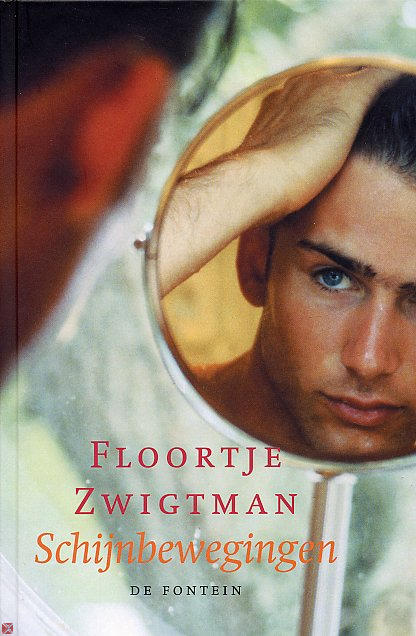 Floortje Zwigtman, Schijnbewegingen
(2005). Dit is een historische roman, het eerste deel van een trilogie, die speelt in Londen in de jaren negentig van de negentiende eeuw. De hoofdpersoon, Adrian Mayfield, is zestien jaar en op zoek naar liefde met een man. Vele personages zijn historische figuren, in het bijzonder de schrijver Oscar Wilde. In het tweede deel van de trilogie, getiteld Tegenspel (2007) maakt de inmiddels zeventienjarige Adrian het geruchtmakende proces tegen Oscar Wilde in 1895 mee. In het derde en laatste deel, Spiegeljongen (2010), vindt de ontknoping plaats van de liefdesrelatie die de hoofdmoot van het verhaal vormt en de volwassenwording van de hoofdpersoon versnelt.
('Feint Passes' - 2005). This is a historical novel, the first volume of a trilogy, situated in London in the 1890s. Protagonist Adrian Mayfield is sixteen and in search of a man to love. Many of the characters are historical figures, notably Oscar Wilde. In the second volume of the trilogy, entitled Tegenspel ('Response' - 2007), Adrian, now seventeen, witnesses the famous trial against Oscar Wilde in 1895. The third volume, Spiegeljongen ('Boy of Mirrors' - 2010), tells about the climax of the love affair that forms the main theme of the entire trilogy, an experience that strongly contributes to the coming-of-age of the protagonist.
Floortje Zwigtman, Schijnbewegingen
(2005). Dit is een historische roman, het eerste deel van een trilogie, die speelt in Londen in de jaren negentig van de negentiende eeuw. De hoofdpersoon, Adrian Mayfield, is zestien jaar en op zoek naar liefde met een man. Vele personages zijn historische figuren, in het bijzonder de schrijver Oscar Wilde. In het tweede deel van de trilogie, getiteld Tegenspel (2007) maakt de inmiddels zeventienjarige Adrian het geruchtmakende proces tegen Oscar Wilde in 1895 mee. In het derde en laatste deel, Spiegeljongen (2010), vindt de ontknoping plaats van de liefdesrelatie die de hoofdmoot van het verhaal vormt en de volwassenwording van de hoofdpersoon versnelt.
('Feint Passes' - 2005). This is a historical novel, the first volume of a trilogy, situated in London in the 1890s. Protagonist Adrian Mayfield is sixteen and in search of a man to love. Many of the characters are historical figures, notably Oscar Wilde. In the second volume of the trilogy, entitled Tegenspel ('Response' - 2007), Adrian, now seventeen, witnesses the famous trial against Oscar Wilde in 1895. The third volume, Spiegeljongen ('Boy of Mirrors' - 2010), tells about the climax of the love affair that forms the main theme of the entire trilogy, an experience that strongly contributes to the coming-of-age of the protagonist.
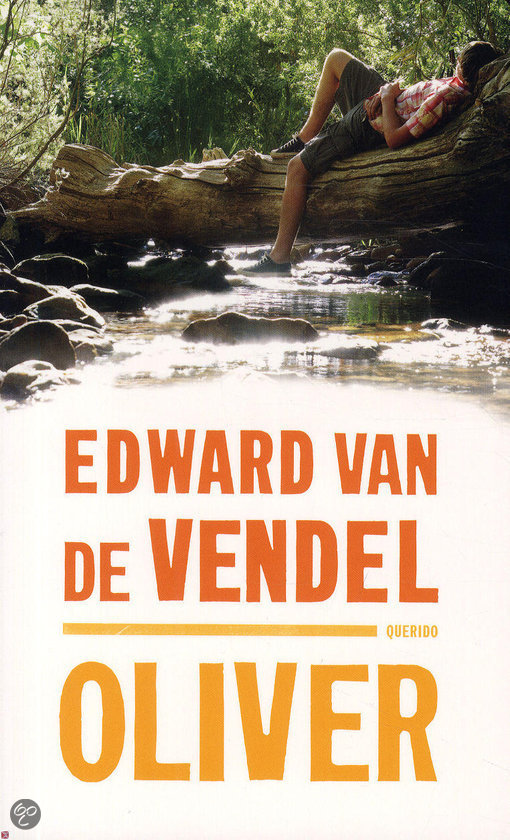 Edward van de Vendel, Oliver (2015).
De zestienjarige Oliver Kjelsberg woont in het stadje Gjøvik ten noorden van Oslo en doet het goed als keeper bij voetbal. Hij beseft dat hij verliefd is op zijn beste vriend Bendik. Tijdens een kampeertocht in de provincie Värmland samen met zijn vader en Bendik komt het tot een uitbarsting van gevoelens. Dit boek werd voorafgegaan door De dagen van de bluegrassliefde (2006). Daarin wordt de (latere) liefdesgeschiedenis tussen de achttienjarige Oliver en een Nederlandse leeftijdgenoot, Tycho, beschreven. Een derde deel, Ons derde lichaam (2007), vertelt verder over Tycho na zijn relatie met Oliver; later komen ze weer samen. Het coming-of-age element is in Oliver het nadrukkelijkst aanwezig.
Sixteen-year old Oliver Kjelsberg lives in the small town of Gjøvik north of Oslo and excels as a keeper in local soccer. However, he realizes that he is falling in love with his best friend Bendik. Things come to a head during camping holidays in the nearby Swedish province of Värmland, together with his father and Bendik. This novel was preceded by De dagen van de bluegrassliefde ('The Days of Blue Grass Love' - 2006) that relates the subsequent love affair between the then eighteen-year old Oliver and a Dutch boy, Tycho. A third book, Ons derde lichaam ("Our third body' - 2007), tells about Tycho after his relation with Oliver; later on they meet again. The coming-of-age element is most prominently present in Oliver.
Edward van de Vendel, Oliver (2015).
De zestienjarige Oliver Kjelsberg woont in het stadje Gjøvik ten noorden van Oslo en doet het goed als keeper bij voetbal. Hij beseft dat hij verliefd is op zijn beste vriend Bendik. Tijdens een kampeertocht in de provincie Värmland samen met zijn vader en Bendik komt het tot een uitbarsting van gevoelens. Dit boek werd voorafgegaan door De dagen van de bluegrassliefde (2006). Daarin wordt de (latere) liefdesgeschiedenis tussen de achttienjarige Oliver en een Nederlandse leeftijdgenoot, Tycho, beschreven. Een derde deel, Ons derde lichaam (2007), vertelt verder over Tycho na zijn relatie met Oliver; later komen ze weer samen. Het coming-of-age element is in Oliver het nadrukkelijkst aanwezig.
Sixteen-year old Oliver Kjelsberg lives in the small town of Gjøvik north of Oslo and excels as a keeper in local soccer. However, he realizes that he is falling in love with his best friend Bendik. Things come to a head during camping holidays in the nearby Swedish province of Värmland, together with his father and Bendik. This novel was preceded by De dagen van de bluegrassliefde ('The Days of Blue Grass Love' - 2006) that relates the subsequent love affair between the then eighteen-year old Oliver and a Dutch boy, Tycho. A third book, Ons derde lichaam ("Our third body' - 2007), tells about Tycho after his relation with Oliver; later on they meet again. The coming-of-age element is most prominently present in Oliver.
Nieuwe gezichtspunten in de coming-of-age verhalen weerspiegelen recente veranderingen in de Nederlandse samenleving. Deze categorie omvat zulke uiteenlopende tendenties als de link tussen jeugdliteratuur en popmuziek zoals bij Victor Schiferli en de eigensoortige ervaringen van Nederlanders met een andere etnische achtergrond. Laatstgenoemde type coming-of-age literatuur is hier vertegenwoordigd door Adriaan van Dis, Robert Vuijsje en de reeds genoemde Mano Bouzamour.
En tenslotte de aandacht voor gezinnen van een onconventionele samenstelling, waar onder meer Nina Polak over vertelt. New perspectives in coming-of-age stories mirror recent changes in Dutch society. This category incorporates such varied innovations as a closer link between young adult literature and pop music as represented by Victor Schiferli and the unique experiences of Dutchmen of a certain ethnic origin. The latter type of coming-of-age literature is here represented by Adriaan van Dis, Robert Vuijsje and Mano Bouzamour.
And, lastly, attention for families of an unconventional structure as portrayed by Nina Polak (amongst others).
En tenslotte de aandacht voor gezinnen van een onconventionele samenstelling, waar onder meer Nina Polak over vertelt. New perspectives in coming-of-age stories mirror recent changes in Dutch society. This category incorporates such varied innovations as a closer link between young adult literature and pop music as represented by Victor Schiferli and the unique experiences of Dutchmen of a certain ethnic origin. The latter type of coming-of-age literature is here represented by Adriaan van Dis, Robert Vuijsje and Mano Bouzamour.
And, lastly, attention for families of an unconventional structure as portrayed by Nina Polak (amongst others).
 Victor Schiferli, Dromen van Schalkwijk
(2012). Felix Zwammerdam is aan het begin van het verhaal vijftien jaar en woont in een weinig inspirerend gezin in de net opgeleverde Schalkwijk in Haarlem. Het verhaal speelt in de jaren tachtig. De hoofdpersoon wordt door een markante klasgenoot, David Bergman, meegetrokken in een New Wave-band. Vanaf dat moment gaat alle aandacht in zijn leven uit naar de popmuziek. Er is in deze roman een ongewone en sterke vervlechting tussen vriendschap op de middelbare school en eigentijdse muziek.
('Dreams about Schalkwijk' - 2012). Felix Zwammerdam is fifteen at the beginning of the story, living in the uninspiring newly constructed neighbourhood of Schalkwijk in Haarlem. The story takes place in the 1980s. An exceptional classmate, David Berman, persuades Felix to join a New Wave group. From that moment onwards, all attention is devoted to pop music. This novel is unusual because of the strong link between friendship at school and contemporary music.
Victor Schiferli, Dromen van Schalkwijk
(2012). Felix Zwammerdam is aan het begin van het verhaal vijftien jaar en woont in een weinig inspirerend gezin in de net opgeleverde Schalkwijk in Haarlem. Het verhaal speelt in de jaren tachtig. De hoofdpersoon wordt door een markante klasgenoot, David Bergman, meegetrokken in een New Wave-band. Vanaf dat moment gaat alle aandacht in zijn leven uit naar de popmuziek. Er is in deze roman een ongewone en sterke vervlechting tussen vriendschap op de middelbare school en eigentijdse muziek.
('Dreams about Schalkwijk' - 2012). Felix Zwammerdam is fifteen at the beginning of the story, living in the uninspiring newly constructed neighbourhood of Schalkwijk in Haarlem. The story takes place in the 1980s. An exceptional classmate, David Berman, persuades Felix to join a New Wave group. From that moment onwards, all attention is devoted to pop music. This novel is unusual because of the strong link between friendship at school and contemporary music.
 Adriaan van Dis, Familieziek
(2002), vertaald in het Frans als Fichue famille, verfilmd in 2012. Het verhaal wordt verteld door de zoon in een Nederlands-Indisch gezin dat net uit Indonesië gerepatrieerd is en moeite heeft hun draai te vinden in Nederland. Trauma's van de Japanse bezetting en de kille ontvangst in Nederland in de jaren vijftig krijgen veel aandacht.
('Sick of/for family' - 2002), translated into French as Fichue famille, a Dutch motion picture in 2012. This is the story of a family from the former Netherlands Indies that is repatriated to the Netherlands. It is told by the young son. It describes traumas from the Japanese occupation of the Dutch colony and the chilly reception of people from Indonesia in the Netherlands in the 1950s.
Adriaan van Dis, Familieziek
(2002), vertaald in het Frans als Fichue famille, verfilmd in 2012. Het verhaal wordt verteld door de zoon in een Nederlands-Indisch gezin dat net uit Indonesië gerepatrieerd is en moeite heeft hun draai te vinden in Nederland. Trauma's van de Japanse bezetting en de kille ontvangst in Nederland in de jaren vijftig krijgen veel aandacht.
('Sick of/for family' - 2002), translated into French as Fichue famille, a Dutch motion picture in 2012. This is the story of a family from the former Netherlands Indies that is repatriated to the Netherlands. It is told by the young son. It describes traumas from the Japanese occupation of the Dutch colony and the chilly reception of people from Indonesia in the Netherlands in the 1950s.
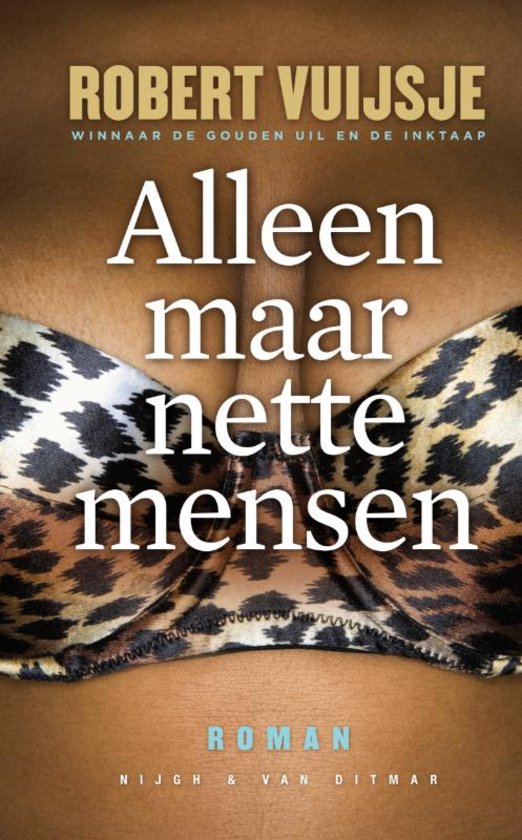 Robert Vuijsje, Alleen maar nette mensen
(2008), verfilmd in 2012 met onder andere Jeroen Krabbé. De eenentwintigjarige David Samuels is joods maar met een Marokkaans uiterlijk. Hij valt op Surinaamse vrouwen. Hij ontworstelt zich met moeite aan zijn veilige achtergrond in Amsterdam Oud-Zuid en komt terecht in de Verenigde Staten, in Memphis, Tennessee. Zwarte vrouwen spelen een cruciale rol in het verhaal.
('Only respectable people' - 2008), a Dutch movie in 2012. Twenty-one year old David Samuels is Jewish but looks Moroccan. He has a taste for women from Surinam. He makes an effort to liberate himself from his respectable family background in the Old South section of Amsterdam. Eventually, he ends up in Memphis, Tennessee. Black women play a crucial role in this story.
Robert Vuijsje, Alleen maar nette mensen
(2008), verfilmd in 2012 met onder andere Jeroen Krabbé. De eenentwintigjarige David Samuels is joods maar met een Marokkaans uiterlijk. Hij valt op Surinaamse vrouwen. Hij ontworstelt zich met moeite aan zijn veilige achtergrond in Amsterdam Oud-Zuid en komt terecht in de Verenigde Staten, in Memphis, Tennessee. Zwarte vrouwen spelen een cruciale rol in het verhaal.
('Only respectable people' - 2008), a Dutch movie in 2012. Twenty-one year old David Samuels is Jewish but looks Moroccan. He has a taste for women from Surinam. He makes an effort to liberate himself from his respectable family background in the Old South section of Amsterdam. Eventually, he ends up in Memphis, Tennessee. Black women play a crucial role in this story.
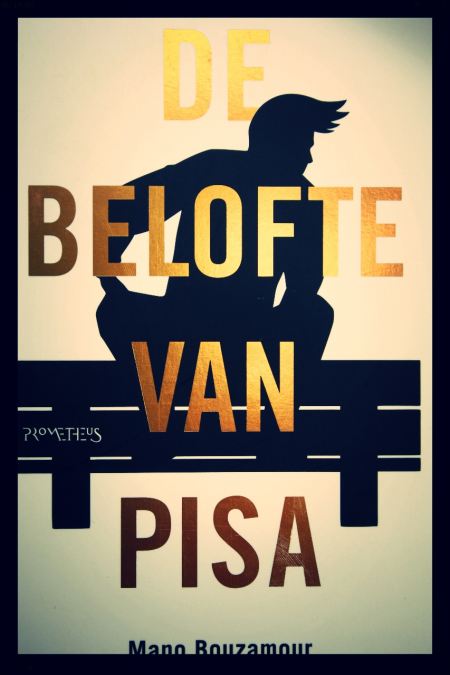 Mano Bouzamour, De belofte van Pisa
(2013). Sam (Samir) Zafar woont met zijn slecht geïntegreerde Marokkaanse ouders in de Pijp in Amsterdam en zit op een chique lyceum in Amsterdam-Zuid. Het boek is geschreven in de stijl van een schelmenroman en toont inzichtelijk de botsing tussen de Nederlandse en Marokkaanse cultuur bij de tweede generatie allochtonen.
('The promise of Pisa' - 2013). Sam (Samir) Zafar lives with his Moroccan parents in a lower-class neighbourhood in Amsterdam. His parents are barely integrated into Dutch society but Sam attends an upmarket secondary school. The book is written in the style of a picaresque novel. It vividly exposes the clash between Dutch and Moroccan culture among second-generation immigrants.
Mano Bouzamour, De belofte van Pisa
(2013). Sam (Samir) Zafar woont met zijn slecht geïntegreerde Marokkaanse ouders in de Pijp in Amsterdam en zit op een chique lyceum in Amsterdam-Zuid. Het boek is geschreven in de stijl van een schelmenroman en toont inzichtelijk de botsing tussen de Nederlandse en Marokkaanse cultuur bij de tweede generatie allochtonen.
('The promise of Pisa' - 2013). Sam (Samir) Zafar lives with his Moroccan parents in a lower-class neighbourhood in Amsterdam. His parents are barely integrated into Dutch society but Sam attends an upmarket secondary school. The book is written in the style of a picaresque novel. It vividly exposes the clash between Dutch and Moroccan culture among second-generation immigrants.
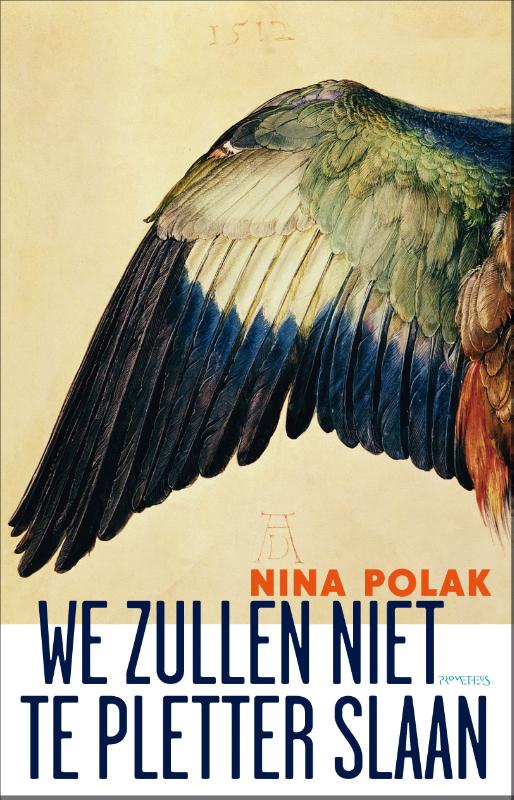 Nina Polak, We zullen niet te pletter slaan
(2014). Dit is een onconventioneel familieverhaal over twee halfbloedverwanten, Anna en Schard genaamd, die in de polder in een gezin met twee moeders worden grootgebracht. Tussen de moeders en bij ieder van de kinderen afzonderlijk doen zich levenscrises voor. Er is veel verwarring maar uiteindelijk wordt de harmonie hersteld. Het verhaal wordt verteld uit het dubbele perspectief van Anna en Schard. De titel verwijst naar een gedicht van
('We Will Not Be Dashed [Against the Rocks]' - 2014). This is a novel about two half-siblings, called Anna and Schard, who grow up in the polder province of the Netherlands with two mothers. Existential tensions emerge between the two mothers and in the life of each of the children. There is much confusion but at long last harmony is restored. The story is told from a double perspective of the two half-siblings. The title refers to a poem by
William Wordsworth.
Nina Polak, We zullen niet te pletter slaan
(2014). Dit is een onconventioneel familieverhaal over twee halfbloedverwanten, Anna en Schard genaamd, die in de polder in een gezin met twee moeders worden grootgebracht. Tussen de moeders en bij ieder van de kinderen afzonderlijk doen zich levenscrises voor. Er is veel verwarring maar uiteindelijk wordt de harmonie hersteld. Het verhaal wordt verteld uit het dubbele perspectief van Anna en Schard. De titel verwijst naar een gedicht van
('We Will Not Be Dashed [Against the Rocks]' - 2014). This is a novel about two half-siblings, called Anna and Schard, who grow up in the polder province of the Netherlands with two mothers. Existential tensions emerge between the two mothers and in the life of each of the children. There is much confusion but at long last harmony is restored. The story is told from a double perspective of the two half-siblings. The title refers to a poem by
William Wordsworth.